Running Azure environments is not what it was a few years ago. Thanks to its evolution, it now involves identity governance, cost controls, compliance policies, backup strategy, and performance tuning.
Most businesses today run hybrid setups, support remote teams, and manage growing data volumes. As a result, security threats have become more aggressive, compliance demands are tighter, and cloud costs can climb fast.
No wonder, expectations from an Azure Managed Service Provider have changed!
Basic monitoring and ticket-based support are no longer enough. Businesses want proactive management that delivers fewer surprises, faster resolutions, and better cost control. They also want guidance, not just technical fixes.
But here is the problem: not every Azure MSP delivers the same depth of expertise. Some focus only on migration, while others stop at reactive support.
This post outlines the seven capabilities every Azure Managed Service Provider should offer in 2026, so businesses and MSPs know what to look for and what truly matters.
1. Comprehensive Azure Assessment and Migration Expertise
It isn’t uncommon for Azure projects to fail even before the migration begins. When assessment is rushed or treated like a checklist exercise, the cracks show up later as performance issues, surprise costs, or security gaps. A strong Azure MSP starts by understanding the full picture before touching anything.
Cloud-Readiness Assessment
The first step is a serious review of the current environment. This entails closely observing servers, applications, databases, and network dependencies. The fact is, some workloads move easily to the cloud, but others need to be redesigned. Assuming everything is “cloud-ready” can create problems down the line.
Risks should be documented clearly and compliance requirements need to be accounted for early. The outcome should be a migration plan that reflects business priorities, not a generic migration template.
Structured Migration Execution
Migration works best when it is phased and deliberate. Moving everything at once increases risk and makes troubleshooting harder. A capable provider sequences workloads carefully and validates each step before moving forward.
Further, downtime planning should be realistic and communicated clearly. Testing should not be treated as optional and rollback procedures must be defined before production workloads shift to Azure.
Hybrid and Multi-Cloud Support
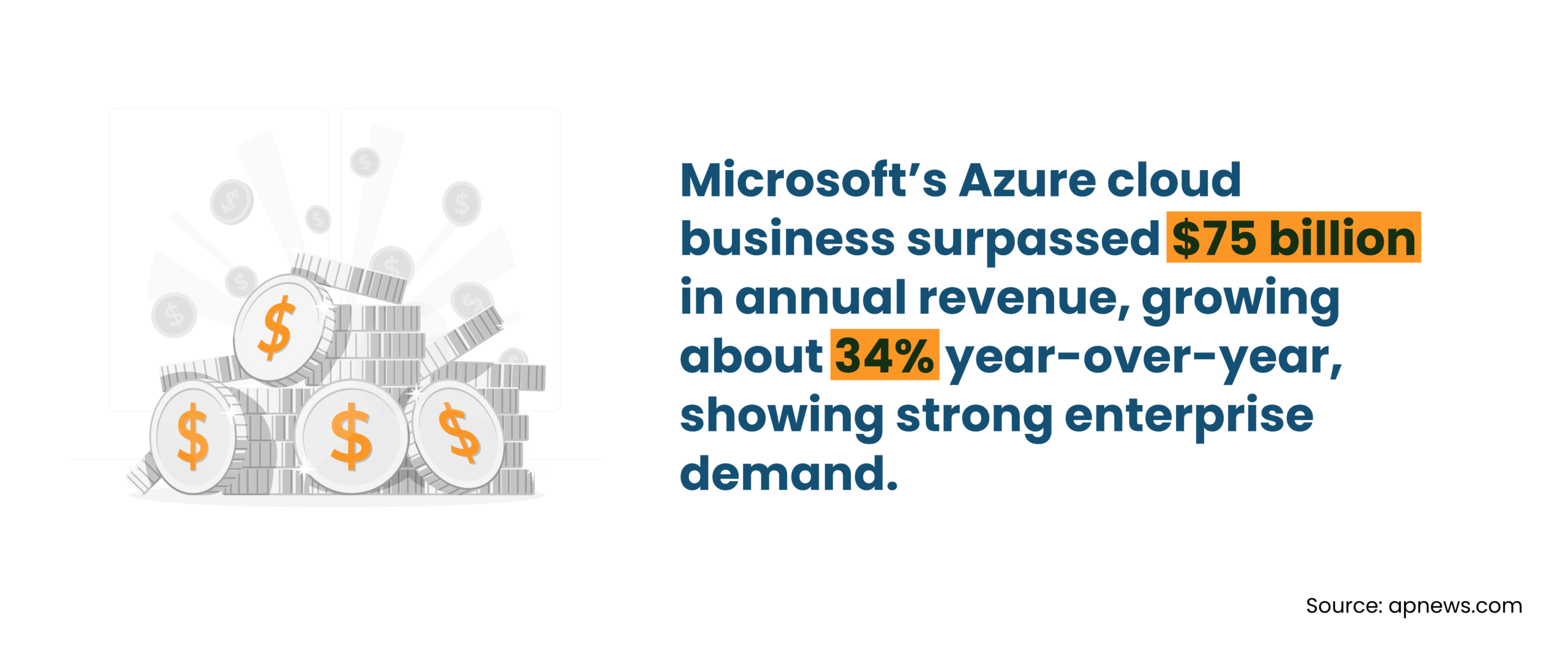
Very few organizations operate in a pure cloud model today. Some systems remain on-premises for operational or regulatory reasons, while others occupy multiple cloud platforms.
An Azure MSP should design environments that connect cleanly and securely. Identity, networking, and policy controls must remain consistent across locations. Scalability should be part of the architecture from the beginning, so growth does not introduce unnecessary complexity later.
2. 24/7 Proactive Monitoring and Incident Management
Once workloads are running in Azure, stability depends on consistent monitoring. Cloud environments are dynamic where resources scale, configurations change, and usage patterns shift over time. Without structured monitoring, small issues can escalate into service disruptions.
An effective Azure MSP does not rely on reactive ticket handling. The focus should be on early detection, prompt response, and continuous improvement.
Real-Time Monitoring
Core infrastructure and applications should be monitored continuously. This includes:
- Compute performance
- Storage health
- Network traffic
- Service availability
Visibility across these layers allows teams to detect anomalies before they affect end users. Alerts should be meaningful and prioritized. Monitoring must be calibrated to surface issues that directly impact business operations.
Incident Response Framework
Incidents are unavoidable in any production environment. What truly matters is the structure behind the response. Clear SLAs define response and resolution expectations, whereas escalation paths ensure that complex issues reach the right expertise quickly.
After resolution, a thorough root-cause analysis should follow. Addressing symptoms without investigating underlying causes increases the likelihood of repeat incidents.
Ongoing Performance Optimization
Monitoring should lead to measurable improvements. Regular checks help identify inefficient configurations, resource bottlenecks, or capacity constraints.
Moreover, performance optimization should be ongoing instead of event-driven. As workloads evolve, configurations must be adjusted to maintain reliability, efficiency, and cost control.
3. Advanced Security and Compliance Management
Security in Azure is not something you configure once and forget. Most breaches in cloud environments trace back to misconfigurations, excessive access, or missed updates. A capable Azure MSP treats security as an ongoing discipline, not a checklist item.
Identity and Access Management
Identification credentials is usually the first place attackers look when they want to cause a breach. Hence, access should be tightly controlled and reviewed regularly.
Key practices should include:
- Enforcing least-privilege access across all roles
- Implementing structured role-based access controls
- Reviewing and cleaning up dormant accounts
- Applying stronger controls for privileged access
As such, Azure Active Directory settings should not remain static. They need periodic review as teams, roles, and workloads evolve.
Threat Detection and Protection
Security monitoring must run continuously across infrastructure and applications. Additionally, logs should be analyzed, not just stored for compliance purposes.
An effective approach includes:
- Continuous threat monitoring across workloads
- Regular vulnerability assessments
- Timely and structured patch management
- Protection for endpoints and critical services
Delayed patching or ignored alerts often create unnecessary exposure. Strong providers reduce this risk through disciplined processes.
Governance and Compliance
Azure environments can become inconsistent and difficult to control without robust governance. Policies should, therefore, define how resources are deployed, tagged, and secured.
Governance should cover:
- Standardized resource configurations
- Policy enforcement across subscriptions
- Access reviews and audit logging
- Alignment with industry-specific regulations
Compliance should be part of the daily operations, not an afterthought during audits. Also, documentation and reporting should already be in place long before regulators ask for them.
4. Cost Optimization and Financial Governance
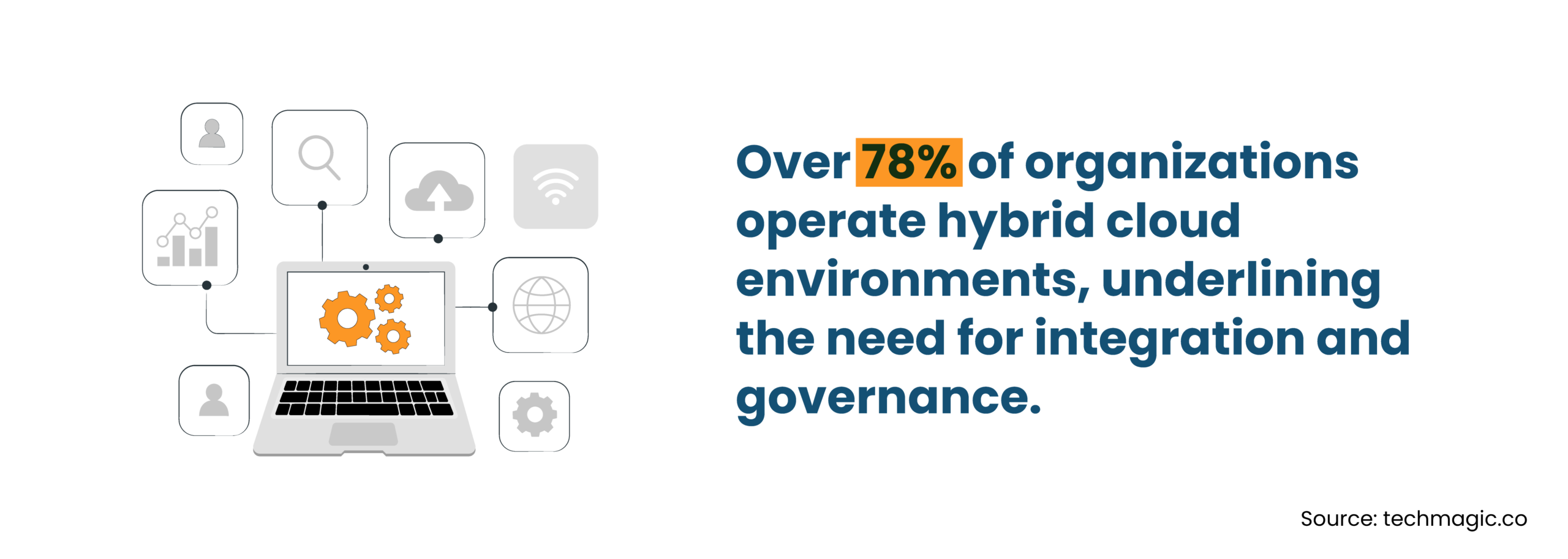
Azure makes it easy to spin resources up. But it is not always as easy to keep costs under control. A few oversized virtual machines, unused storage accounts, or forgotten test environments can gradually increase the monthly bill and add up over time.
An Azure MSP should treat cost management as part of daily operations, rather than as something reviewed only when the invoice feels too high.
Resource Optimization
Cloud environments tend to grow faster than expected. Teams often provision extra capacity to stay on the safe side. These kinds of decisions might make sense in the moment, but they rarely get revisited.
A structured cost review should include:
- Identifying idle or underused resources
- Rightsizing virtual machines and databases based on actual usage
- Cleaning up unused storage, snapshots, or legacy components
- Reviewing auto-scaling settings to match real demand
The objective is balance. Performance should not suffer, but neither should the budget.
Budgeting and Cost Visibility
Many organizations struggle with cloud spend because they lack clarity. Leadership needs a clear view of where money is going and what drives that usage.
Good financial governance includes:
- Clear cost reporting by workload, team, or department
- Budget tracking aligned with business goals
- Forecasting based on growth and seasonal patterns
- Cost allocation models that create accountability
The logic here is simple: when visibility improves, decision-making improves as well.
Ongoing Cost Review
Azure usage is never static: new projects are launched, workloads expand, and testing environments get created (and forgotten).
A capable Azure MSP should regularly:
- Review reserved instance and savings plan opportunities
- Analyze usage trends and recommend adjustments
- Revisit configurations as business needs change
Cost optimization is not about cutting corners. It’s about making sure cloud investments remain predictable, justified, and aligned with business priorities.
5. Automation, DevOps, and Infrastructure as Code
As Azure environments grow, manual management becomes a risk. Repetitive tasks increase the chance of configuration errors and inconsistent deployments create instability. Over time, small differences between environments lead to larger operational issues.
An Azure MSP should reduce manual effort wherever possible and introduce structure through automation.
Infrastructure as Code
Infrastructure should be defined in code rather than built manually through the portal. This approach improves consistency and reduces guesswork.
A structured Infrastructure as Code practice should include:
- Standardized deployment templates
- Version control for infrastructure changes
- Peer review of configuration updates
- Clear documentation of the environment architecture
Moral of the story: when infrastructure is repeatable, scaling and recovery become far easier.
DevOps Enablement
Modern cloud environments often support active development cycles, where changes are pushed frequently and timelines move fast. In this kind of setup, deployment processes need to be predictable and controlled, so releases do not introduce risk or instability.
An Azure MSP should support:
- CI/CD pipeline integration
- Automated testing during deployments
- Controlled release management
- Consistent configurations across environments
This reduces deployment errors and shortens release cycles without sacrificing stability.
Operational Automation
Not every task requires human intervention. Routine activities can and should be automated to reduce risk.
This may include:
- Automated patch management
- Scheduled maintenance workflows
- Automated scaling based on usage patterns
- Policy enforcement through automation tools
Automation does not remove oversight, but creates consistency and allows technical teams to focus on higher-value work instead of repetitive tasks.
6. Business Continuity and Disaster Recovery
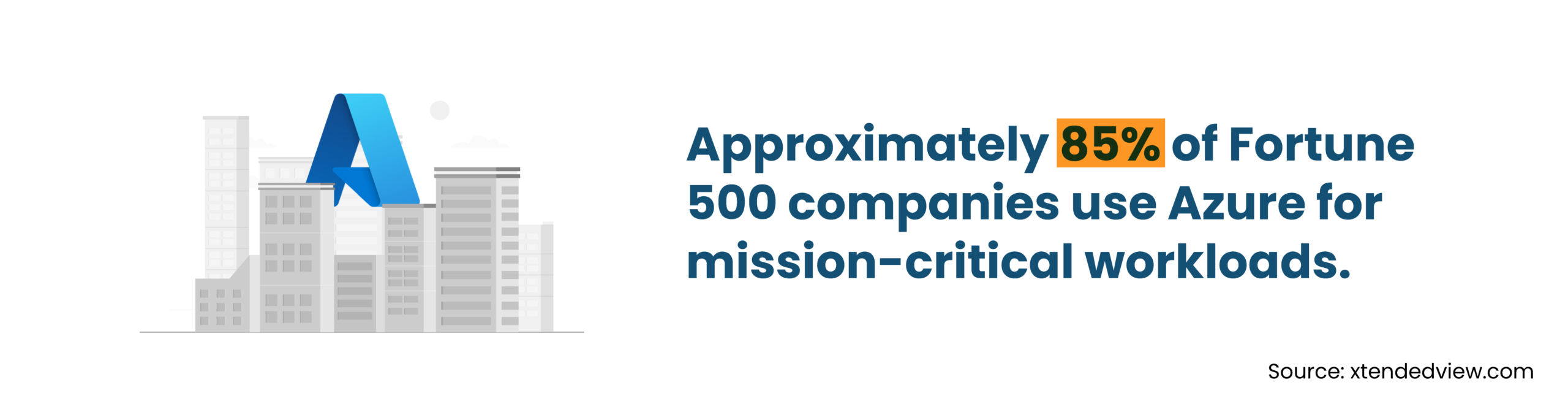
No production environment runs perfectly forever. Systems fail, updates conflict with existing dependencies and the wrong configuration gets deleted at the wrong time. These things can happen even in well-managed environments.
The difference is preparation. An Azure MSP should assume that disruptions will occur and design the environment to recover quickly and predictably.
Backup Strategy
Backups should match business reality, not technical preference. Recovery Point Objectives and Recovery Time Objectives need to reflect how much data loss and downtime the business can actually tolerate.
A practical backup strategy should include:
- Clearly defined RPO and RTO targets
- Automated and scheduled backups
- Secure storage across appropriate locations
- Regular verification that backups can be restored
A backup that has never been tested is a risk. Validation should be routine, not optional.
Disaster Recovery Planning
Backups alone are not enough to salvage a bad situation during a major outage. Disaster recovery planning focuses on restoring operations with minimal disruption.
A structured plan should define:
- Cross-region replication for critical workloads
- Documented failover procedures
- Redundant infrastructure where required
- Clear ownership during recovery events
In a real incident, clarity matters more than speed. During such times, teams should know exactly what steps to follow.
Testing and Validation
The real test of recovery plans takes place during simulation. That’s because scheduled drills help uncover gaps before an actual outage exposes them.
Testing should include:
- Planned disaster-recovery exercises
- Validation of failover and restoration steps
- Measurement of actual recovery times
- Updates to procedures based on lessons learned
Remember, business continuity is about reducing uncertainty. When systems are under pressure, preparation becomes the difference between controlled recovery and prolonged disruption.
7. Strategic Advisory and Long-Term Cloud Planning
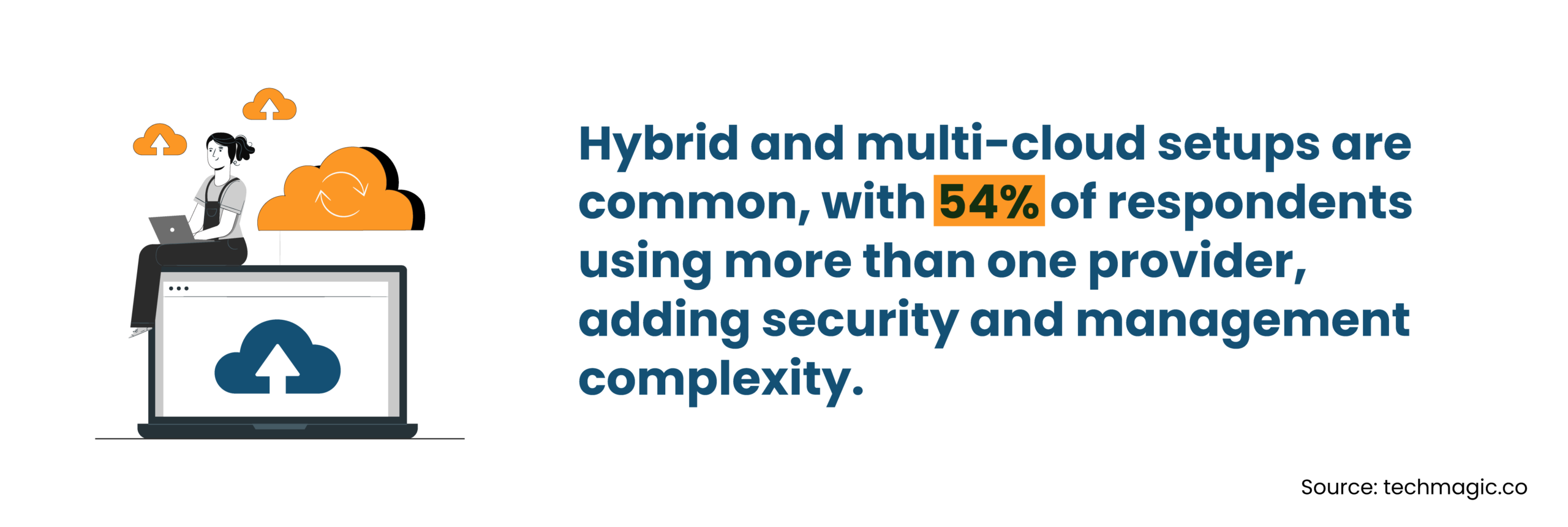
While keeping Azure stable is important, stability alone is not enough. Businesses grow, priorities shift, and new systems get introduced. If the cloud environment does not evolve with these changes, it becomes harder to manage over time.
A strong Azure MSP should help plan ahead, not just maintain what already exists.
Cloud Roadmapping
Cloud decisions should support long-term direction rather than just immediate needs. Quick fixes often solve current issues but create constraints for future development.
A practical roadmap should include:
- Planning for expected growth and new workloads
- Reviewing architecture regularly to avoid technical debt
- Identifying capacity limits before they cause strain
- Aligning infrastructure changes with business objectives
Roadmapping keeps the environment intentional rather than reactive.
Performance Reviews and Reporting
Data should guide decisions. Regular reviews help leadership understand how the environment is performing and where adjustments are needed.
Meaningful reporting should cover:
- Performance trends across key systems
- Capacity and usage patterns
- Security posture updates
- Cost movement linked to workload changes
These conversations help prevent slow drift in performance, security, or spending.
White-Label Support for MSPs
For MSPs, having backend expertise without expanding internal headcount can make a real difference. A dependable partner should integrate smoothly with existing teams and processes.
This typically involves:
- Delivering services under the MSP’s brand
- Maintaining consistent communication standards
- Providing scalable engineering support as client demands grow
- Supporting both project-based and ongoing operational needs
Strategic advisory is about staying ahead of change. When planning is continuous, the Azure environment remains aligned with both technical requirements and business goals.
Future-Proof Your Azure Strategy
Choose Infrassist to run, secure, and optimize your Azure environment with confidence and clarity.
Conclusion
Azure environments in 2026 demand more than basic monitoring and reactive fixes. Businesses need structured migration, consistent oversight, strong security controls, disciplined cost management, automation, reliable recovery planning, and ongoing strategic guidance.
Each capability supports the others. When one area is weak, the entire environment feels the strain. Choosing the right Azure Managed Service Provider means looking beyond surface-level support. Their depth of expertise and operational discipline matter more than you think.
If you are evaluating your current approach, it may be time to look more closely. Infrassist’s Azure Managed Services are designed to help MSPs and businesses strengthen operations, control risk, and plan confidently for long-term growth.